Bruberry’s Rebranding Exercise
- ruchi1360
- August 28, 2020
- Uncategorized
- 0 Comments
Ever since 1856, Burberry has been an embodiment of British sophistication. There was a time when the whole country was wrapped in the famous Nova Check pattern, and the chevalier logo represented luxury and elegance.
Burberry is no stranger to rebranding. It has gone through a few turbulent periods that required it to change the public’s perception.
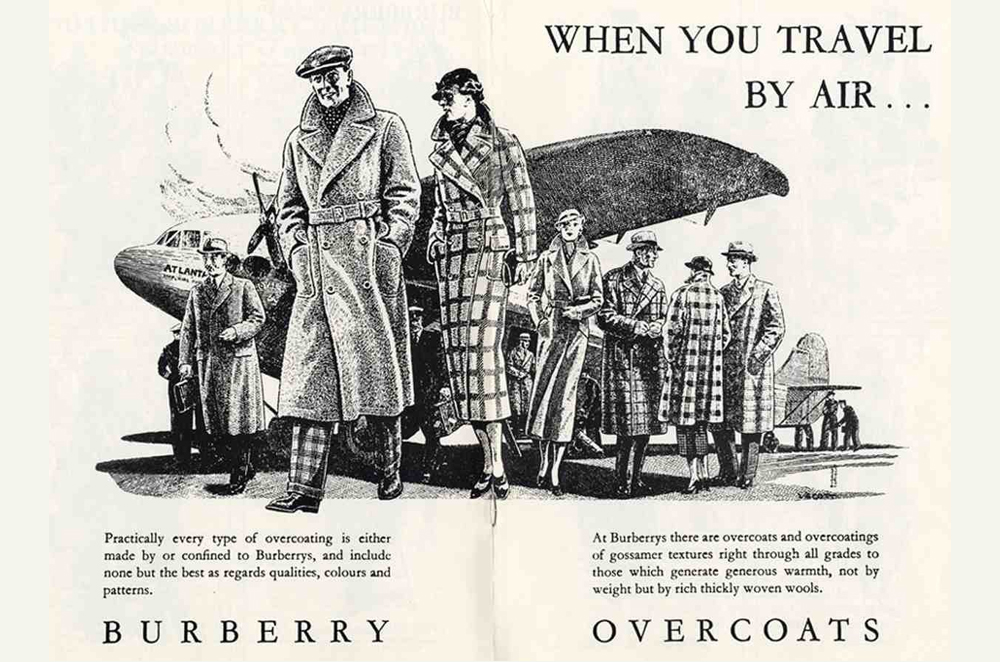
In the 2000s, the brand became inextricably linked with “chav culture”, a pejorative stereotype of the British working class that sent sales plummeting. Burberry had been a brand for the country aristocrat; inextricably tied with genteel pursuits. When Burberry decided to turn things around, they didn’t try to go back to the country house. They capitalized on their history to rebrand — and tell a new brand story — as a fashion-forward, upscale and glamorous brand that epitomized contemporary Britain.
Riccardo Tisci, previously of Givenchy, took over as Burberry’s new creative director. His mission was simple — giving the brand a new visual language. With the help of the famous graphic designer Peter Saville, the new Burberry logo saw the light of day.

This is why, aside from the revamped logo, Burberry introduced a completely new monogram. The interlocking TB pays homage to Thomas Burberry and features a vibrant color scheme that still resembles that of the legendary Nova Check. It has a very retro feel to it, while still being fresh and contemporary.

The Bodoni-style wordmark was replaced by a new trend — bold sans-serif lettering. On its own, this was nothing to be too excited about. In fact, if this were the only change, the rebranding would probably be a swing and a miss, as the only thing it would do is rob Burberry of its aristocratic vibe on which it built its reputation.
Now firmly associated with the well-heeled outdoorsy set, the brand was assured of a posh, albeit staid, clientele. Burberry adopted a logo of a knight with the Latin motto “Prorsum”, meaning “forwards”.

To say that the rebrand was successful would be an understatement. It generated a ton of buzz, which is exactly what Burberry needed after a period of stagnation.
Related Posts